Introduction: Why Understanding CNC Machining Cost Per Part Matters
When sourcing CNC machined parts from China, the cost per part is the single most important metric that determines your project's profitability. However, many buyers make the mistake of comparing only the quoted unit price without understanding the factors that drive it. This guide breaks down the true cost structure of CNC machining, provides a cnc machining cost per part calculator framework you can use immediately, and offers negotiation tactics to help you secure the best value.
Our supplier directory currently lists 1 verified supplier and 4 products in this category, with unit prices ranging from $2.8 to $12. This range illustrates how material, complexity, and order volume affect pricing. By the end of this guide, you'll be equipped to evaluate quotes like a seasoned engineer.
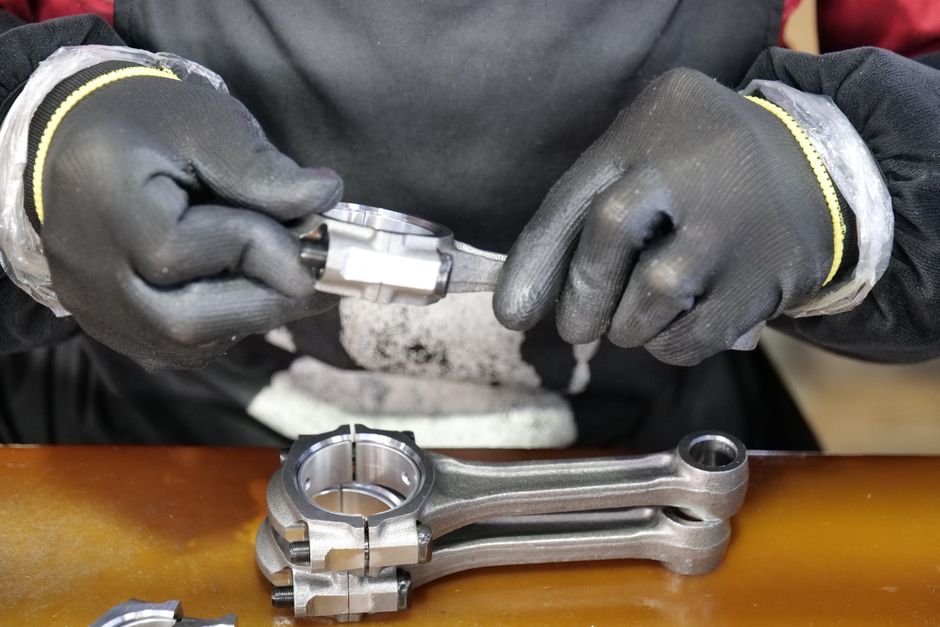
Key Evaluation Criteria for CNC Machining Quotes
Before diving into cost calculations, you must understand the factors that influence the final price. These are the same criteria professional procurement teams use to assess Chinese manufacturers.
1. Material Cost and Selection
Material is often the largest variable cost. Aluminum (e.g., 6061-T6) is cheaper than stainless steel (e.g., 304 or 316). For example, a simple aluminum bracket might cost $2.8 per unit, while a steel part with similar dimensions could exceed $12. Always specify the exact material grade and finish requirements to get accurate quotes.
2. Machine Time and Labor
CNC machining cost per part is largely driven by machine time—the longer the part takes to cut, the higher the cost. Complex geometries, tight tolerances, and multiple setups increase machining hours. Labor costs in China vary by region, but typically range from $5 to $15 per hour for skilled operators. Your supplier should provide a breakdown of estimated machine hours.
3. Setup and Tooling
Every production run requires setup time for fixturing and tooling. For low-volume orders, setup cost is amortized over fewer parts, raising the per-unit price. Ask suppliers about setup fees and whether they offer discounts for higher quantities.
4. Overhead and Profit Margin
Suppliers include overhead costs (facility, management, quality control) and profit margin in their quotes. Transparent suppliers will list these as line items. Be wary of quotes that seem too low—they may hide costs elsewhere.
5. Surface Finishing and Secondary Operations
Anodizing, powder coating, or plating add cost. For example, a standard clear anodize might add $0.50–$2 per part depending on size. Always confirm whether finishing is included in the quoted price.
How to Calculate CNC Machining Cost Per Part: A Step-by-Step Approach
You can use the following cnc machining cost per part calculator method to estimate costs yourself and validate supplier quotes. This is based on industry-standard formulas.
Step 1: Estimate Material Cost
Material cost = (weight of raw material) × (price per kg). For aluminum, the raw material price is around $2.5–$3.5/kg; for steel, $1.5–$2.5/kg. Include a waste factor of 10–20% for machining scrap.
Step 2: Calculate Machine Hourly Rate
Machine hourly rates in China vary by machine type: 3-axis CNC mills often run $40–$60/hour; 5-axis machines can be $80–$120/hour. Your supplier should provide this rate.
Step 3: Determine Machining Time
Machining time depends on part complexity. For simple parts, it may be 5–10 minutes; complex parts can take 30–60 minutes. Ask your supplier for estimated cycle time.
Step 4: Add Setup and Tooling Amortization
Setup cost per part = (setup time × hourly rate) / order quantity. For example, a 2-hour setup at $50/hour = $100. For 100 parts, that adds $1 per part.
Step 5: Add Finishing and Secondary Operations
Include any post-processing costs, such as anodizing or threading.
Step 6: Sum Up and Add Overhead & Profit
Total cost per part = (material + machine + setup + finishing) × (1 + overhead % + profit %). Overhead is typically 10–20%, profit 10–15%.
Example: For a small aluminum part weighing 0.2 kg, material cost = $0.6. Machine time 6 minutes at $50/hour = $5. Setup amortized = $1. Finishing = $0.5. Subtotal = $7.1. With 15% overhead and profit, total = $8.17. This aligns with observed prices in our directory for similar parts.
Benchmark Data from Our Supplier Directory
To give you a realistic reference, here are actual product examples from our verified supplier listings:
| Product | Material | Unit Price (USD) |
|---|---|---|
| Automotive Control Arm Bracket | Steel | $8.50 |
| Construction Steel Hinge Bracket | Steel | $12.00 |
| Aluminum Rail Mounting Plate | Aluminum | $2.80 |
| Heavy-Duty Steel Locking Bracket | Steel | $9.20 |
These prices reflect small-to-medium volume orders. Use them as a baseline when evaluating quotes for similar parts.
Red Flags to Watch For When Sourcing from China
Not every supplier is trustworthy. Watch for these warning signs:
- Unrealistically low quotes – If a quote is 30% below the average, they may use inferior materials or cut corners.
- Vague cost breakdowns – A professional supplier will provide a detailed breakdown; if they refuse, they may hide fees.
- No quality certifications – ISO 9001 or IATF 16949 are essential for precision parts.
- Poor communication – Slow responses or difficulty in English can lead to costly misunderstandings.
- Hidden charges – Watch for extra fees for packaging, shipping, or mold changes.
Questions to Ask Your CNC Machining Supplier
To get accurate cost per part quotes, ask these specific questions:
- What is your machine hourly rate and estimated cycle time for this part?
- Can you provide a breakdown of material, labor, and setup costs?
- What is the minimum order quantity (MOQ) and how does price scale with volume?
- Are finishing services (anodizing, plating) included in the quote?
- What quality certifications do you hold, and can you provide inspection reports?
- How do you handle scrap and rework costs?
- What is the lead time, and are there expediting fees?
Practical Checklists for Evaluating Suppliers
Pre-Quote Checklist
- Define part specifications: material, tolerance, finish, quantity.
- Request quotes from at least 3 suppliers.
- Provide a detailed 2D drawing or 3D model.
- Ask for a cost breakdown.
Post-Quote Checklist
- Compare unit prices but also consider shipping and duties.
- Verify supplier credentials (e.g., business license, export experience).
- Request samples before mass production.
- Negotiate on setup costs or tooling amortization for larger orders.
Negotiation Tactics to Reduce Cost Per Part
Once you have a quote, use these strategies to lower your cnc machining cost per part:
- Increase order quantity – Volume discounts can reduce per-unit costs by 20–40%.
- Simplify the design – Reduce tight tolerances or complex features to cut machining time.
- Choose standard materials – Avoid exotic alloys that require special tooling.
- Bundle multiple parts – Combining orders can reduce setup costs.
- Negotiate on setup fees – For repeat orders, ask to wave or reduce setup charges.
- Consider annual contracts – Commit to a yearly volume for better pricing.
Frequently Asked Questions
Q: How do I use a CNC machining cost per part calculator effectively?
Start by gathering your part's material, dimensions, and complexity. Estimate material weight, then multiply by the material price per kg. Next, estimate machining time based on similar parts or supplier input, and multiply by the machine hourly rate. Add setup amortization and finishing costs, then apply overhead and profit margins. This gives you a baseline to compare with supplier quotes.
Q: Why do Chinese suppliers sometimes quote lower prices than local ones?
Lower labor costs, economies of scale, and lower overhead in China can result in lower quotes. However, you must account for shipping, lead times, and potential communication barriers. Always evaluate total cost of ownership, not just the unit price.
Q: What is a reasonable tolerance for CNC machined parts to keep costs down?
Standard tolerances of ±0.1 mm are typically cost-effective. Tight tolerances like ±0.01 mm require slower machining and more inspection, increasing cost by 20–50%. Only specify tight tolerances where functionally necessary.
Conclusion
Mastering the cnc machining cost per part calculator is essential for successful sourcing. By understanding material, machine time, setup, and overhead, you can make informed decisions and negotiate effectively. Use the benchmarks from our directory to validate quotes, and always apply the red flag checklist to avoid pitfalls. With this knowledge, you'll be well-prepared to source high-quality, cost-effective CNC parts from China.
Ready to source from verified suppliers? Get free quotes and compare offers within 24 hours.

