Introduction: Why Accurate Cost Estimation Matters
When sourcing CNC machined parts from Chinese manufacturers, the difference between a fair quote and an overpriced one can be as much as 40%. International buyers often struggle to benchmark prices because quotes vary widely based on material, complexity, and hidden fees. This guide breaks down the true cost drivers behind CNC machining quotes and provides a practical cnc machining cost per part calculator framework to help you negotiate effectively. By understanding machine time, material markup, setup fees, and finishing costs, you can make data-informed decisions and avoid overpaying.
Key Cost Drivers in CNC Machining
1. Machine Time: The Biggest Variable
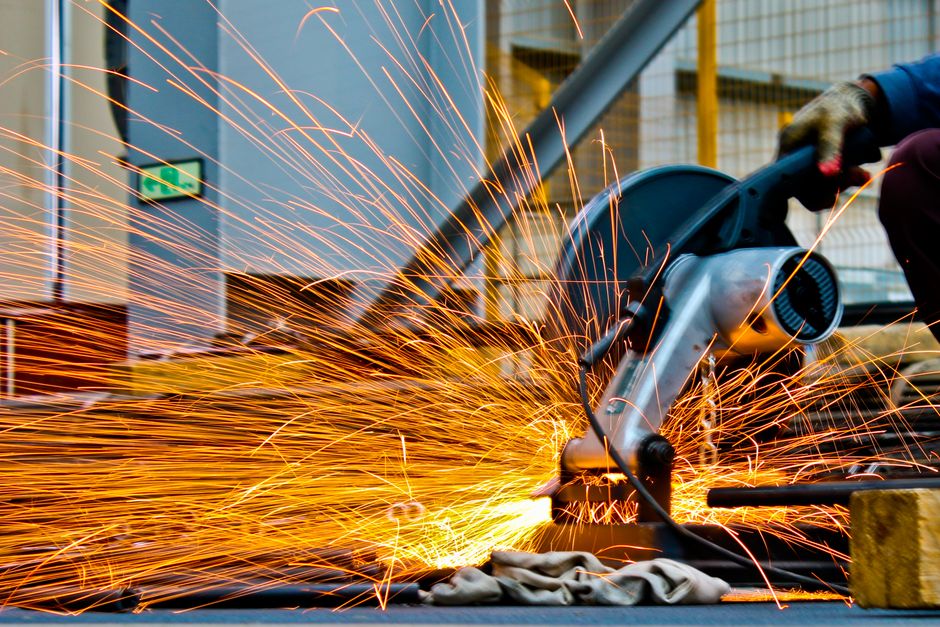
Machine time is the largest component of CNC machining cost. It includes the actual cutting time and the non-cutting time (tool changes, positioning). For example, a simple part like an Aluminum Rail Mounting Plate may take only 10 minutes, while a complex Automotive Control Arm Bracket could take 45 minutes. The hourly machine rate in China typically ranges from $20 to $50 per hour, depending on the machine type (3-axis vs. 5-axis).
| Machine Type | Hourly Rate (USD) | Typical Use |
|---|---|---|
| 3-axis CNC | $20-$30 | Simple parts, flat surfaces |
| 4-axis CNC | $30-$40 | Parts requiring rotation |
| 5-axis CNC | $40-$50 | Complex geometries, aerospace |
To estimate machine time, you can use the following formula: Machine Time (min) = (Cutting Length / Feed Rate) + Setup Time per Part. For a rough estimate, ask your supplier for the cycle time per part—they should provide this.
2. Material Cost and Markup
Material cost is another major factor. Suppliers often add a markup of 10-20% on raw material prices. For example, aluminum 6061 costs about $3 per kg, while steel S45C costs $1.5 per kg. However, the final price depends on the part weight and waste. For instance, a Heavy-Duty Steel Locking Bracket weighing 2 kg might cost $3 in raw material, but after machining, the supplier may charge $5 for material.
Always ask for the material grade and the raw material weight. You can cross-check with current market prices. A transparent supplier will share their material cost breakdown.
3. Setup Fees and Tooling
Setup fees cover the time to prepare the machine, including programming, fixturing, and tooling. For small batches (e.g., 10-50 parts), setup fees can dominate the cost. A typical setup fee in China ranges from $50 to $200, depending on complexity. For larger quantities, these fees are amortized over the batch size, so the cost per part drops significantly.
Tip: If you order 100 parts, the setup fee per part is negligible. Always negotiate setup fees for repeat orders.
4. Finishing and Secondary Operations
Finishing processes like anodizing, powder coating, or plating add to the cost. For example, anodizing aluminum costs $1-$2 per kg, while powder coating steel is $0.5-$1 per kg. Additionally, secondary operations like tapping, drilling, or surface grinding can increase costs. Always clarify which finishing processes are included in the quote.
How to Use a CNC Machining Cost Per Part Calculator
While there are online tools, you can create a simple spreadsheet to calculate costs. Here’s a step-by-step approach:
- Get the part weight and material price – Ask the supplier for the raw material weight and grade.
- Estimate machine time – Request the cycle time from the supplier or estimate based on similar parts.
- Calculate machine cost – Multiply machine hours by the hourly rate.
- Add material cost – Include the material price plus markup.
- Add setup fees – Divide total setup fees by the order quantity.
- Add finishing costs – Include any surface treatments.
- Sum up and add profit margin – Suppliers typically add 10-20% profit.
For example, for the Construction Steel Hinge Bracket (unit price $5.5), you can reverse-engineer the cost: assume 15 minutes machine time ($7.5), material $2, setup $0.5, finishing $1, and profit $1.5. This totals $5.5.
Benchmarking Against Real Supplier Data
Based on our directory of verified suppliers, the observed unit price range for similar CNC parts is $2.8 to $12. For instance, an Aluminum Rail Mounting Plate might cost $2.8, while a complex Automotive Control Arm Bracket could be $12. Use this range to benchmark your quotes. If a supplier quotes above $12, question the justification.
Red Flags to Watch For
- Vague quotes – No breakdown of machine time, material, or setup fees.
- Unusually low prices – May indicate low-quality materials or hidden costs.
- No cycle time provided – A reputable supplier should know the cycle time.
- Excessive material markup – Over 20% markup is suspicious.
- Hidden finishing costs – Ensure all processes are listed.
Questions to Ask Suppliers
- What is the cycle time per part?
- What is the raw material weight and grade?
- What is the setup fee, and is it amortized?
- Are finishing costs included?
- Can you provide a cost breakdown?
Practical Checklist for International Buyers
- Request a detailed quote with line items for material, machine time, setup, finishing, and profit.
- Cross-check material prices with current market rates.
- Ask for cycle time and calculate machine cost yourself.
- Compare quotes from at least three suppliers.
- Negotiate setup fees for repeat orders.
- Verify supplier credentials through our directory.
Conclusion
Mastering the art of cost estimation is key to successful sourcing. By using a cnc machining cost per part calculator approach, you can break down quotes, spot overpricing, and negotiate with confidence. Remember, a fair price is one where the supplier makes a reasonable profit, and you get a quality part. Use the data and benchmarks in this guide to make informed decisions.
Ready to source from verified suppliers? Get free quotes and compare offers within 24 hours.

